Photovoltaics are becoming increasingly popular, allowing households and businesses to produce their own energy. However, to truly harness the potential of solar energy, it is worth investing in an energy storage facility – whether for your home or business.
Contact us to learn more about this system. We will help you choose the best solution to meet your needs.
What are electricity storage facilities?
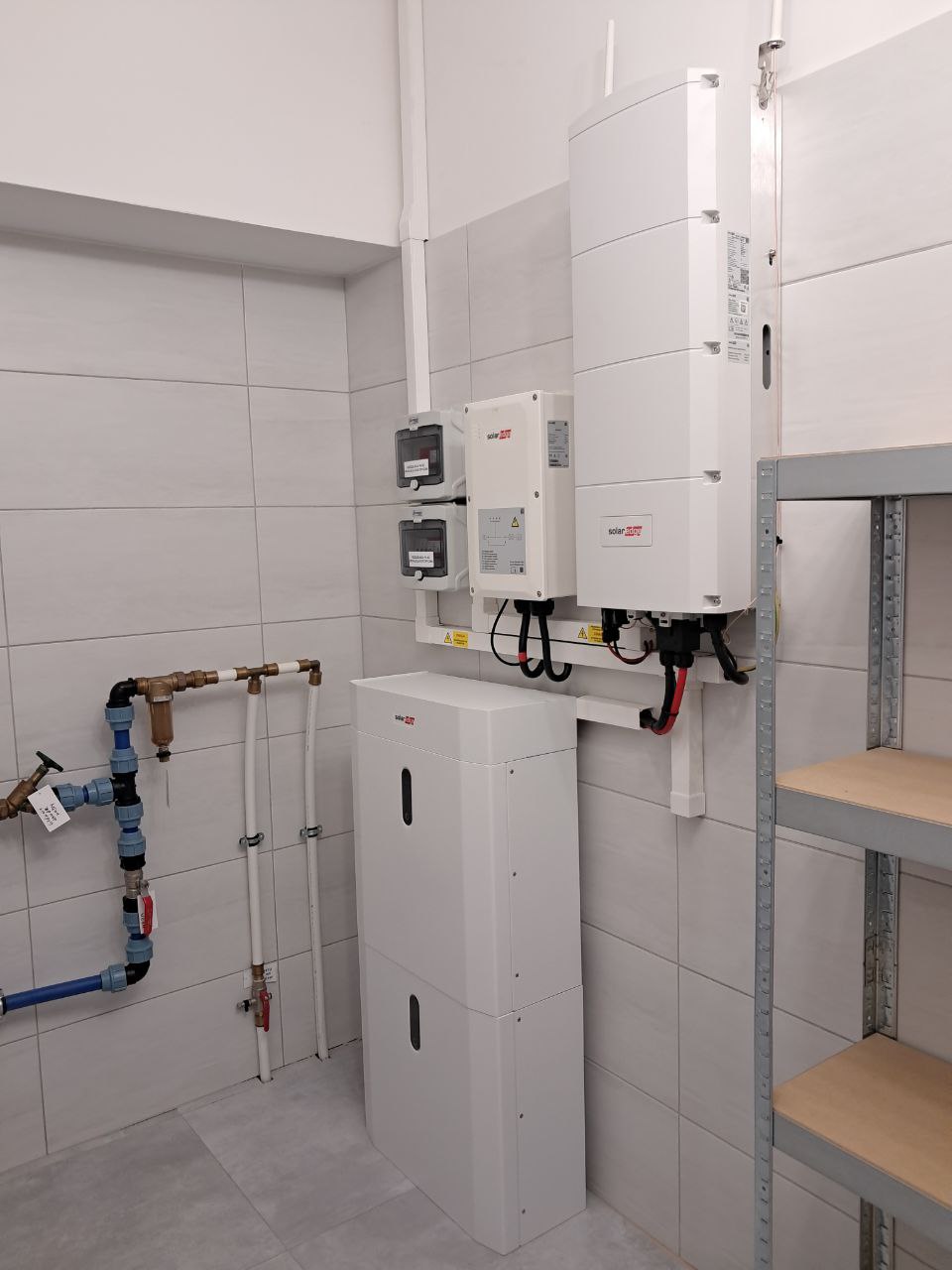
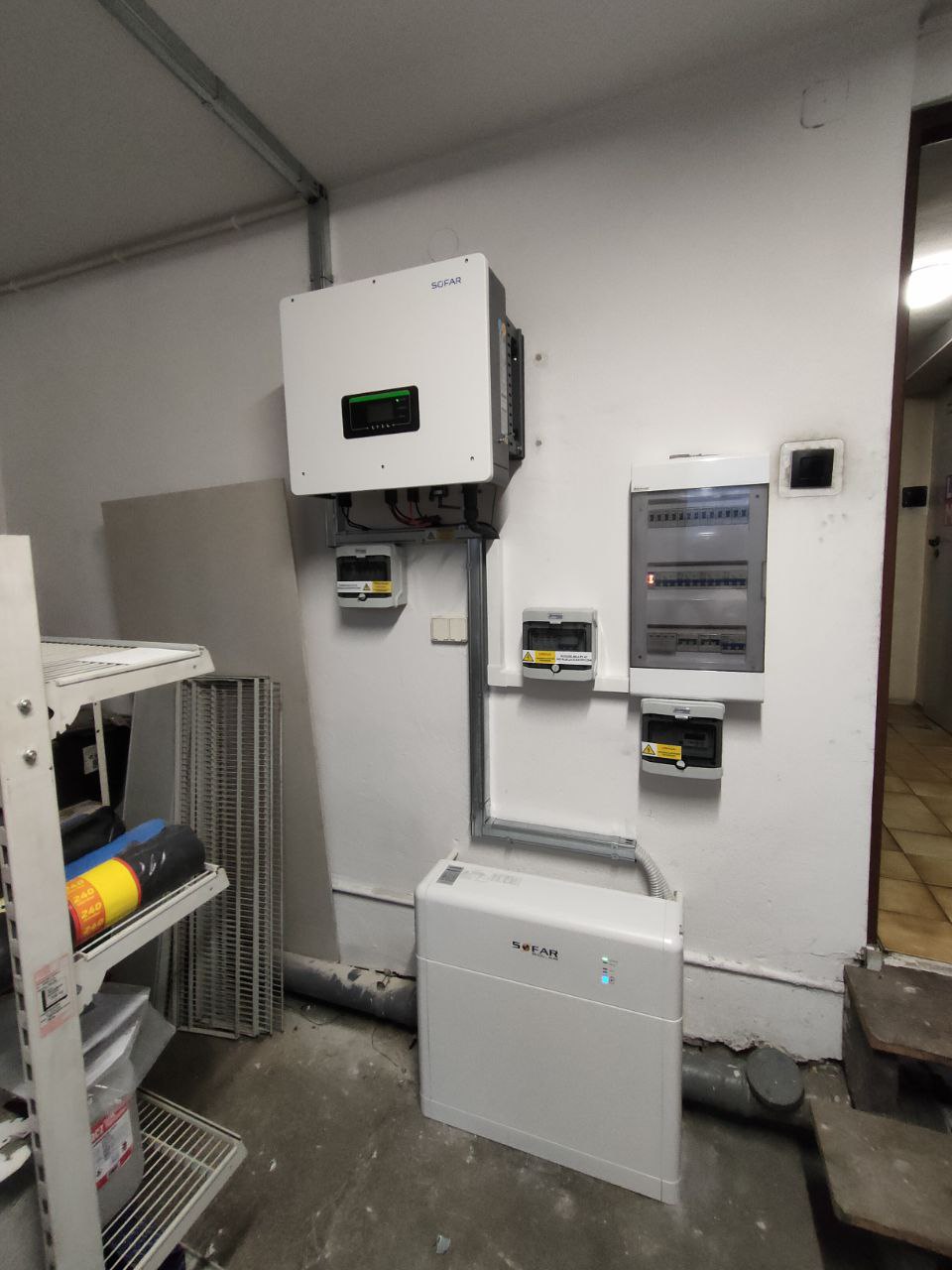
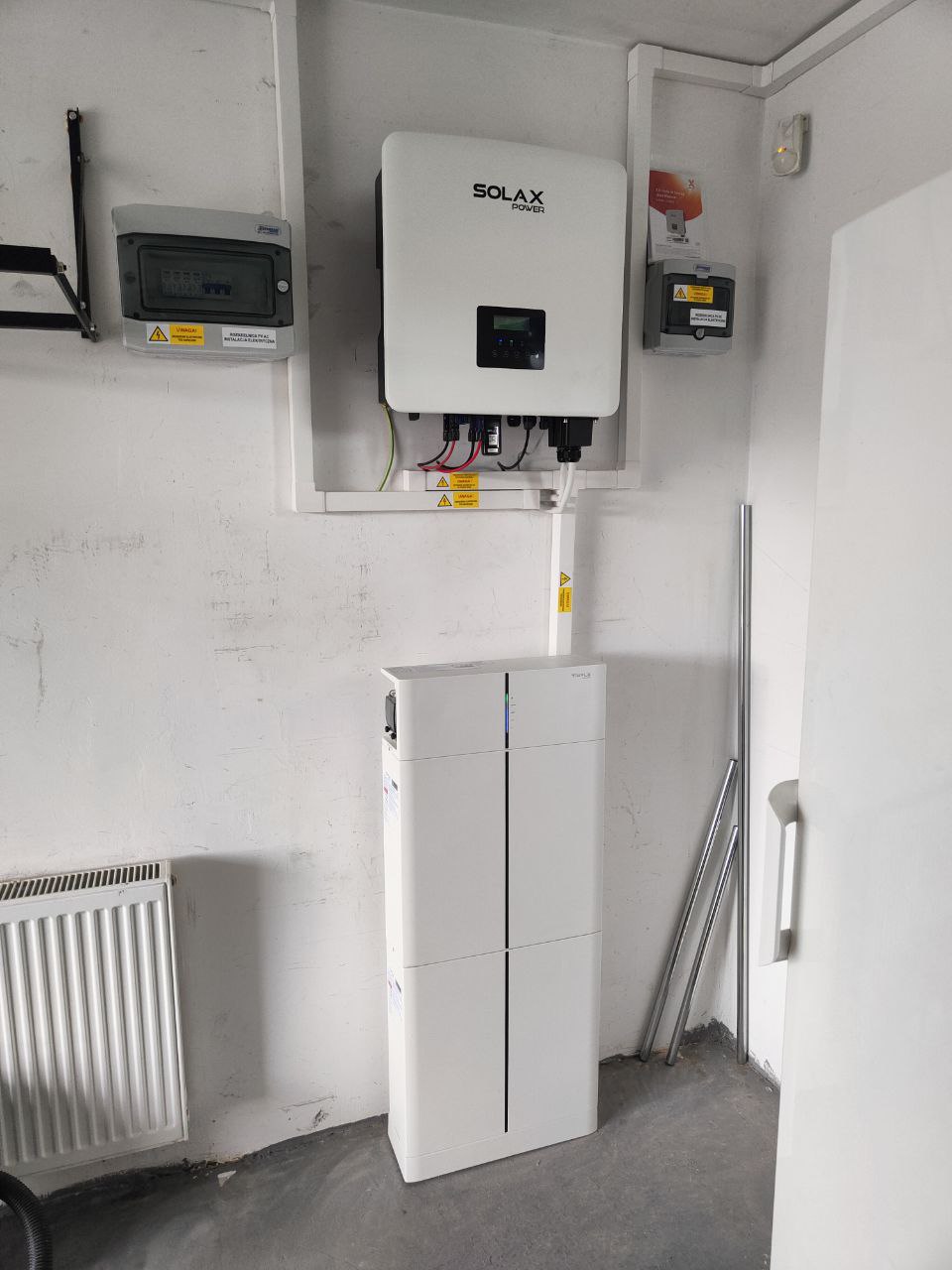
Energy storage, also known as battery storage or energy storage systems, are technologically advanced solutions designed to store and store electricity.
Energy storage is a technical system that allows the accumulation of electrical energy from various sources, such as wind farms, solar panels, hydroelectric power plants, nuclear power plants, as well as from power grids during periods of low demand or cheap access to electricity.
The purpose of using energy storage is to enable flexible management of access to electricity in real time, ensuring the reliability of energy supply, especially in conditions of variable or unstable demand for electricity.
Energy storage is playing an increasingly important role in the energy transformation, enabling the integration of renewable energy sources, increasing the reliability of electricity supply, reducing greenhouse gas emissions and contributing to building more sustainable energy systems.
Advantages of energy storage
Energy storage systems offer a number of benefits that can significantly increase the efficiency and savings of electricity management:
- Using dynamic tariffs: Energy storage can be used to charge batteries when energy prices are at their lowest and to use the stored energy during peak times when prices are rising.
- Using cheaper energy at night: Many tariff systems offer lower energy rates during the night. By storing energy during these times, you can reduce your daytime consumption costs.
- Using negative energy prices: When there is an oversupply of energy on the market, negative prices can occur. Energy storage allows you to take advantage of these opportunities by storing energy until its value increases.
- Increasing self-consumption: Energy storage allows you to store excess energy produced (e.g. from photovoltaic panels) and use it later, increasing independence from energy suppliers and reducing your bills.
- Emergency power: In the event of a power outage, energy storage can act as an emergency power source, ensuring that key household or business appliances continue to operate.
- Participation in the capacity market: Energy storage facilities can participate in the capacity market by offering their storage capacity as a reserve for the power system, which can generate additional revenues.
- Frequency market and flexibility services: By responding quickly to changes in energy demand and supply, storage facilities can provide frequency stabilization services and other flexibility services, supporting the stability of the power system.
Investing in energy storage is a step towards effective and conscious energy management, bringing both economic benefits and increasing energy security.
How does energy storage work?
Many complex processes occur inside energy storage devices during charging and discharging.
During the charging process, a power source, such as photovoltaic panels, transfers energy to the storage device, initiating a current flow through the battery. During this stage, lithium ions move from the electrode through which energy flows out (cathode) to the electrode through which current flows in (anode). In the anode, lithium ions settle between layers of graphite, where they are stored.
During discharging, this process is reversed. Lithium ions are transported back from the anode to the cathode, generating an electric current that can be used to power various devices.
The battery management system (BMS) closely monitors what is happening in the energy storage device. It takes into account voltage, current, temperature and charge level, ensuring the safety and performance of the battery.
The efficiency of energy storage actually depends on many factors, including: from the battery itself, use or how the system is managed.
Industrial energy storage
Industrial energy storage plays a significant role in the large-scale energy transformation, enabling companies and manufacturing plants to optimize energy use and increase energy independence.
In the context of the growing popularity of renewable energy sources such as photovoltaics, industrial energy storage is the foundation for efficient energy management in the industrial sector. Industrial energy storage allows for the storage of large amounts of energy that can be used when electricity demand exceeds current production capacity or when grid power is particularly expensive.
This allows companies to minimize operating costs, avoiding high energy tariffs and ensuring continuity of production even during power outages.
Photovoltaics for industrial energy storage
Photovoltaics for industrial energy storage is the perfect combination that allows companies to fully exploit the potential of solar energy. Photovoltaic panels installed on the roofs of industrial plants or in dedicated photovoltaic farms can produce huge amounts of energy, the surplus of which is stored in advanced battery systems.
Thanks to this, companies can use green energy not only during the day, but also at night or during days with less sunlight. What's more, energy storage helps to stabilize energy supplies, which is extremely important in production processes requiring uninterrupted electricity supplies.
In the long term, investing in industrial energy storage powered by photovoltaics brings significant benefits, including reducing CO2 emissions, lowering energy costs and increasing market competitiveness. For companies striving for sustainable development and efficient resource management, such solutions are becoming not only an option, but a necessity in the face of changes in the global energy market.
Energy storage - what benefits do I get?
Investing in energy storage has many benefits. Here are some of them:
- Home energy storage allows you to store excess electricity generated from renewable sources, such as photovoltaic installations. This stored energy can be used when these sources are not active, for example at night.
- Energy storage acts as a buffer that can provide energy during periods of peak demand or in emergency situations, ensuring continuity of electricity supply and protecting against power outages or interruptions.
- Using energy storage allows for more intelligent, efficient and sustainable use of energy resources.
What determines the price of energy storage?
The price of an energy storage facility depends on many factors and may vary depending on the specific case and location.
Here are some of the factors that affect the cost of energy storage:
- Capacity: The amount of energy a storage device can store is one of the key factors that influences price. The higher the capacity, the higher the price.
- Battery: The choice of a specific type of battery or storage technology will affect price.
- Lifespan and durability: Storage devices vary in terms of their durability and lifespan. Storage devices with longer lifespans will usually be more expensive, but may be more cost-effective.
- Power: The power output of a storage device determines how much energy the device can deliver over a given period of time.
- Efficiency: The efficiency of the storage device, the ratio of energy delivered to energy stored, will affect the cost-effectiveness of the system. More efficient storage devices may cost more.
- Installation and assembly: The costs associated with installing and assembling a storage device, including electrical work, assembly, grid connections, etc., will have an undeniable impact on price.
Subsidies for investments in energy storage
We offer our clients various types of subsidies for energy storage.
Here are the most important of them:
- "Mój Prąd 6.0" Program
- Under this program, you can get a subsidy for electricity storage. Currently, the amounts offered are up to PLN 16,000 for an energy storage and up to PLN 7,000 for a photovoltaic installation.
- "Energia Plus" Program
- This program is aimed at entrepreneurs and offers loans up to 85% of eligible costs for investments related to energy storage, including those integrated with RES installations. Financing amounts start from PLN 0.5 million and can reach up to PLN 500 million.
- "Czyste Powietrze" Program
- Offers support for individuals for RES installations, including energy storage, covering up to 100% of net costs (up to PLN 136,200) of the investment. Under this program, you can also finance other devices that improve energy efficiency.
In addition, tax relief is available, such as the thermal modernisation relief, which allows you to deduct up to PLN 53,000 for investments related to renewable energy installations, including energy storage facilities.
Order an energy storage for your home/business
Energy storage allows you to store excess electricity produced from renewable sources, such as a photovoltaic installation.
Using energy storage brings numerous benefits, which include stabilizing energy supplies and reducing energy costs.
Contact our advisor and learn more about our services. Invest in modern solutions that will help you reduce your electricity bills.
The process of ordering and implementing an energy storage facility at Solar-Project
- Consultation and needs analysis
- The first step is a conversation with the client, during which we analyze their energy needs, goals and technical possibilities (e.g. existing photovoltaic installation).
- Selection of the solution
- Based on the analysis, we propose an optimal energy storage, tailored to individual needs, taking into account capacity, power and possibilities of integration with renewable energy systems.
- Offer and contract
- We prepare an offer containing technical details, costs and implementation schedule. After acceptance, we sign a contract with the client.
- Installation and start-up
- We carry out professional installation of the energy storage and configuration of the system. After installation, we perform tests and start the system to ensure its full efficiency.
- Training and service
- We train the user in the use of the system and provide technical support, monitoring and service. We also offer a long-term warranty and the possibility of expanding the system in the future.
Solar-Project provides comprehensive service, from consultation to servicing, guaranteeing reliability and optimisation of energy use.
Solar-Project's implementations in the field of energy storage